During this election year, it is hard not to think about the election process. There are advertisements everywhere and a lot of people are talking about it.
I like the satirical pranks the Yes Men play on corporations such as their Post Consumer Waste Recycling Program, where they suggested they take the undigested pieces of beef from human waste and reprocess it into another fast food hamburger for third world countries. The prank kind of holds a mirror to first world countries disregard for third world people’s lives and the American Capitalism’s need for profit and efficiency.
I also watched Adam Curtis’s Century of the Self Part 1: Happiness Machines, in which they discussed how Edward Bernays used public relations to control the American societies desires. By controlling the Americans desires they could also create the solution to the desire. Bernays did this by appealing products to people’s emotions. To get woman to start smoking after it was considered masculine, he staged a fake protest in which women would smoke cigarettes and he called them “torches of freedom” so that women would be for it and men could not be against it or they would be against freedom. Bernays made people believe that democracy could not exist without capitalism and consumerism. By appealing to peoples’ emotions in advertisements, the desires of the people were influenced by the advertisements and satisfied by the products.
Political parties similarly appeal to peoples’ emotions not just facts. Although most of what political parties represent are opposing policies, they mostly represent ways of life. One side fears that the other way of life will become the norm. Both sides believe that they are correct and the other is wrong. And so they fight back and forth trying to get revenge on past elections.
It is concerning though that the political leaders are influenced by millions of lobbying dollars. The politicians are suppose to be representing the people. With all of the money coming in from corporations, it seems that if they people and the corporations were to have opposing goals the politicians would side with the businesses.
I believe that a country is about the people. With a political and presidential election system that is largely based on funding by large corporations, it seems reasonable to consider how much a vote is worth. How much what is an individual’s wants and needs being represented by their representatives, specifically a president? And how much would the vote change if that individual was the CEO of a Fortune 500 company that just donated $30 million to your campaign?
My ideas so far are about trying to combine the idea of voting and the idea of lobbyist groups paying politicians to favor their causes in exchange for money. I wanted to create a voting booth that has a credit card option to make your vote count more.

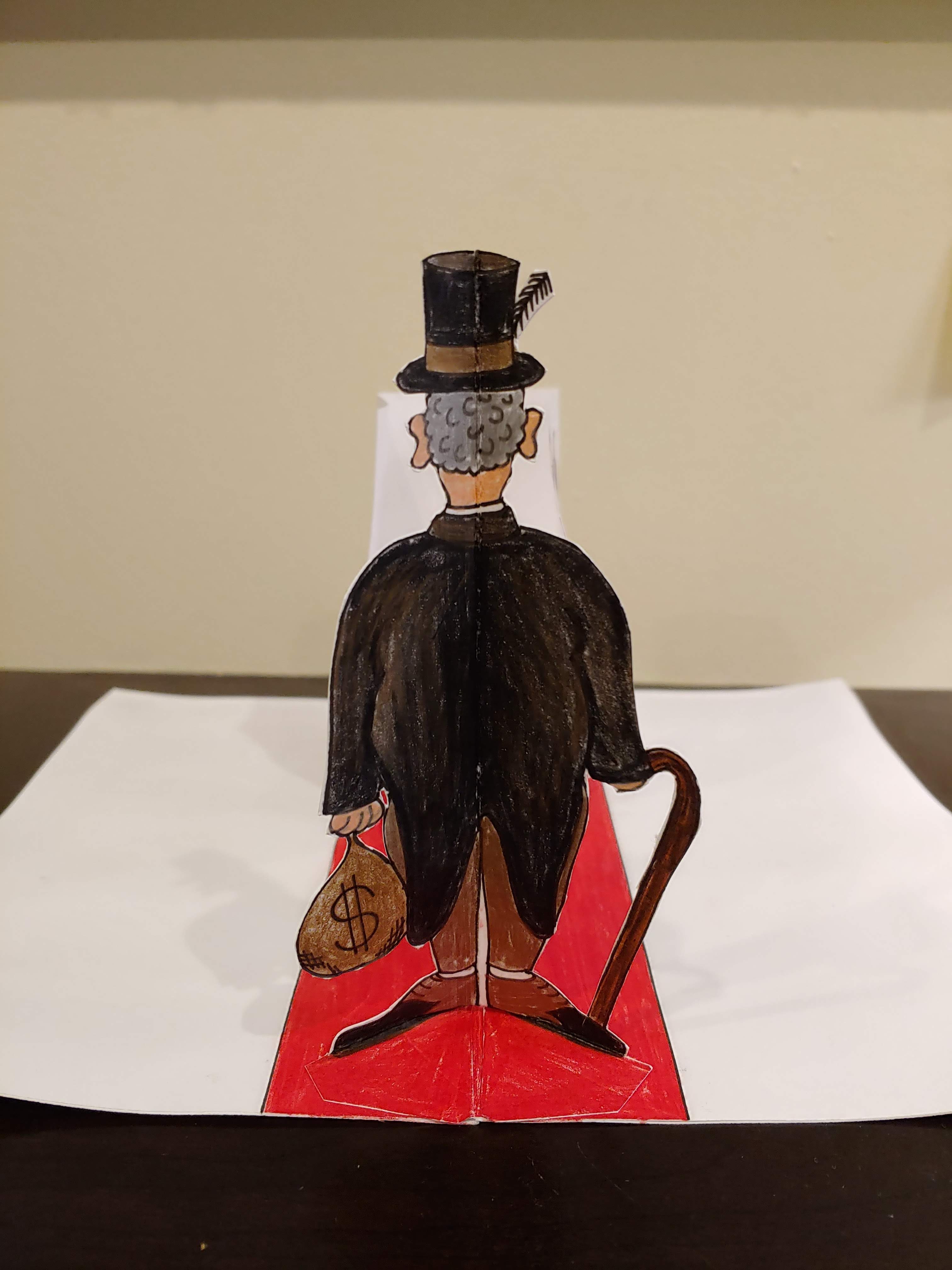


 Francis Brogan